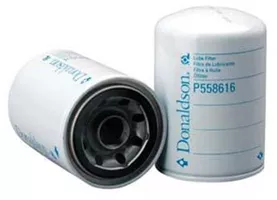
When your engine’s running dirty oil, you’re looking at expensive repairs down the road. Every hour that goes by with contaminated oil means more metal shavings, dirt, and debris circulating through your engine, wearing down bearings, pistons, and other precision components you can’t afford to replace. This quality oil filter keeps your engine’s lifeblood clean and flowing right.
What You’re Getting
- 5.35-inch length provides excellent filtration capacity for extended service intervals
- High-efficiency filter media captures harmful particles while maintaining proper oil flow
- Spin-on design makes filter changes quick and clean—no messy cartridges to deal with
- Heavy-duty construction withstands the vibration and temperature extremes of farm work
- Quality materials ensure reliable sealing and long service life
Built for Real Farm Work
This filter fits a range of agricultural and industrial equipment where reliable engine protection is critical. Whether you’re running a tractor through long days of field work, operating a skid steer on a construction site, or powering through harvest season, clean engine oil is what keeps your equipment running when you need it most.
Made to Last
Farm equipment engines work hard, and this filter is built to handle the challenge. The robust construction stands up to pressure fluctuations, temperature swings, and the constant vibration that comes with agricultural work. Quality filtration media traps contaminants without restricting oil flow, so your engine gets the protection it needs without sacrificing performance.
Installation Notes
This is a standard spin-on filter that threads directly onto your engine’s filter mount. Apply a thin film of clean oil to the gasket before installation, then hand-tighten plus three-quarters turn after gasket contact. Don’t over-tighten—you’ll just make it harder to remove next time and risk damaging the gasket.