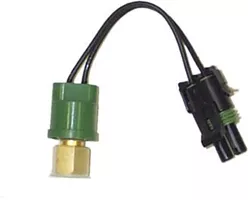
When hydraulic pressure drops unexpectedly during critical work—whether you’re operating a loader, running implements, or just trying to raise your three-point hitch—you need to know about it before something expensive breaks. This low pressure switch keeps tabs on your hydraulic system, triggering warning lights or shutting down operations when pressure falls below safe levels. It opens at 26 PSI and closes at 46 PSI, giving you that crucial early warning before a small problem becomes a major repair bill.
What You’re Getting
- Normally open switch design that activates when pressure drops to unsafe levels
- Precision calibration opens at 26 PSI, closes at 46 PSI for reliable operation
- Built to handle the vibration and pressure cycles of heavy equipment use
- Direct replacement for factory switches—no modifications needed
- Works with hydraulic, transmission, and other pressurized systems
Built for Real Farm Work
This versatile pressure switch fits an impressive range of John Deere equipment, from compact utility tractors like the 2250 up through big row-crop machines like the 9620T. It’s equally at home monitoring hydraulic pressure in backhoes digging drainage ditches, keeping tabs on transmission pressure in tractors pulling heavy implements, or protecting forestry equipment working in tough conditions. The wide application list means this same switch protects everything from your hay operation to logging work.
Made to Last
Farm and construction equipment demand components that can handle extreme conditions—dust, moisture, temperature swings, and constant vibration. This switch is engineered to maintain accurate switching points through thousands of pressure cycles while resisting the corrosion and wear that destroy cheaper alternatives.
Good to Know
Installation is straightforward—the switch threads into your existing pressure port and connects to your warning system. Make sure to relieve system pressure before installation and use proper thread sealant to prevent leaks. If you’re getting false alarms, check your actual system pressure with a mechanical gauge first—sometimes the switch is doing its job by telling you about a problem you didn’t know existed.