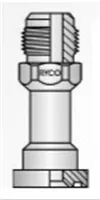
When you’re dealing with high-flow hydraulic systems on your bigger tractors and implements, having a solid connection that won’t let you down is everything. This Code 61 SAE flange fitting gives you the secure connection you need for your 1-inch hydraulic hose—no more worrying about loose fittings or hydraulic fluid making a mess when you’re trying to get work done. This Ryco flange spreads loads across multiple bolts instead of relying on threads alone, giving you a connection that holds up to the demanding conditions of agricultural work.
What You’re Getting
- Precision crimp design that creates a permanent, reliable connection under pressure
- SAE Code 61 flange configuration that matches standard hydraulic ports on farm equipment
- 1-inch size handles the higher flow rates needed for big implements and tractors
- Ryco quality construction built specifically for agricultural applications
- Direct replacement design—no adapters or modifications needed
Built for Real Farm Work
This fitting is designed for tractors, combines, skid steers, and implements that run hydraulic systems. You’ll find it connecting loader circuits, three-point hitch pumps, and auxiliary hydraulics that power everything from mowers and balers to tillage equipment and material handlers. Whether you’re running a big planter, wide tillage tool, or heavy-duty loader, this fitting handles the flow and pressure your equipment demands.
Made to Last
Farm hydraulic systems deal with pressure surges, temperature swings, and constant vibration that would destroy lightweight fittings. This Ryco coupling is built to handle the tough conditions of agricultural work—from the shock loads when you engage implements to the temperature extremes of working from dawn to dusk in all seasons.
Installation Notes
This is a crimp-on fitting that requires proper crimping equipment and dies for installation. Make sure to use the correct die size for both the fitting and hose combination. If you don’t have crimping equipment, most hydraulic shops can install this fitting for you. Always relieve system pressure before working on hydraulic connections.